What SF Homeowners Need to Know About Residential Roofing Installation Permits
San Francisco homeowners planning a residential roofing installation need to understand the city's permit requirements before any work begins.
Getting this wrong can cost far more than the project itself. This article explains when permits are required, how to navigate the San Francisco Department of Building Inspection (DBI) process, typical timelines, and what happens if you skip this step.
When Is a Roofing Permit Required in San Francisco?
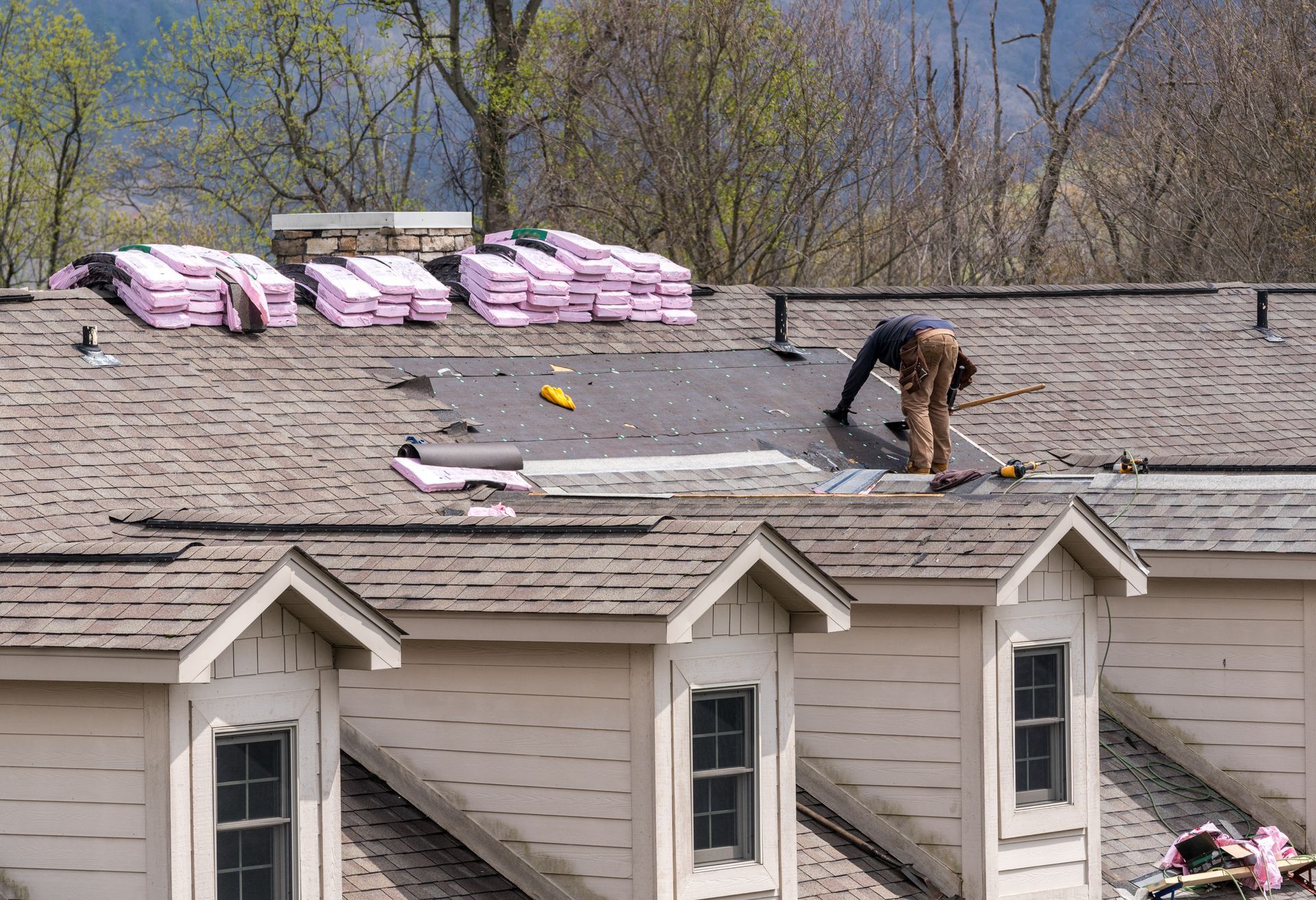
Most roofing projects in San Francisco, CA, require a building permit. San Francisco Building Code Section 106A.2 requires a permit for reroofing projects. This includes full roof tear-offs, partial reroofing covering more than 25% of the total roof surface within any 12-month period, and any work involving the installation, repair, or removal of roof sheathing.
The only exemption applies to reroofing work covering 25% or less of the total roof surface within a 12-month period that does not involve roof sheathing. This exemption does not apply to most full replacement projects.
Minor repairs such as replacing a few broken shingles, resealing flashing, or patching an isolated area typically do not require a permit. When in doubt, check directly with DBI before work starts.
Who Oversees Roofing Permits in San Francisco?
The San Francisco Department of Building Inspection (DBI) oversees permitting in the city. DBI's Permit Services department issues building, electrical, mechanical, plumbing, and other construction permits to ensure all proposed projects meet safety standards.
What About Historic Districts?
If your property is in one of San Francisco's many historic districts, such as Alamo Square, Buena Vista, or Duboce Park, roofing projects may require Planning Department review in addition to DBI. Visible changes to the roof profile, material, or color may need approval, and discretionary review typically adds 2 to 8 weeks.
How Does the San Francisco Roofing Permit Process Work?
Step 1: Hire a licensed C-39 contractor.
Only a licensed C-39 contractor can apply for a reroofing permit online. Confirm your contractor holds this credential before signing anything.
Step 2: Resolve any open DBI complaints.
Active DBI complaints on the property must be cleared before a new permit can be issued. Check the property's complaint history early to avoid surprises.
Step 3: Submit the permit application.
Registered contractors can receive reroofing permits instantly through the online system, provided their name and email were submitted on a contractor authorization record at least two business days in advance. Otherwise, the application is processed manually.
Step 4: Pay permit fees.
Fees are due at application and, for online permits, can be paid immediately by card.
Step 5: Work begins and inspections are scheduled.
Once your permit is issued, inspections can be requested online through your PermitSF dashboard.
Step 6: Final inspection and permit closeout.
A DBI final inspection must be scheduled and passed before the permit closes. The inspector will verify that materials match the permit application and that work meets San Francisco Building Code standards.
Are There Additional Fire Safety Requirements?
Yes. If the roofer uses a torch, open flame, or LP-gas during any part of the work, a separate permit from the San Francisco Fire Department is required. Contact the SFFD Bureau of Prevention, Permit Section, to verify. The San Francisco Fire Code also requires the roofer to hire a dedicated fire watch, a person whose sole job is to monitor torch work for safety.
What Materials Must Be Used?
All roofing materials must meet a Class A fire rating and California Title 24 cool roof standards. Your contractor should confirm material compliance before ordering supplies.
How Long Does a Roofing Permit Take?
Roofing permits in San Francisco tend to move faster than other project types. Among tracked permit categories, they had the shortest median issued-to-completion interval at 23 days, and the vast majority involved reroofing. For historic projects requiring staff review, DBI's goal is approval within two business days. Standard non-historic residential projects through a registered contractor can often receive an instant permit online.
What Happens If You Skip the Permit?
San Francisco's DBI enforces strict penalties for unpermitted work. For work done without a building permit, the penalty is nine times the issuance fee plus the original permit fee.
The consequences go beyond fines. Buyers' lenders often require unpermitted work to be legalized before closing, meaning you could end up paying twice. DBI can issue stop-work orders, and your homeowner's insurance may deny claims related to unpermitted work. In serious cases, forced removal and replacement may be required. Any residential roofing installation completed without proper permits exposes homeowners to significant financial and legal risk.
Partner With a Knowledgeable Local Roofing Team
Anderson Roofing & Sheet Metal Company has served the San Francisco Bay Area since 1928. The team understands the city's codes, DBI processes, and the unique roofing demands that come with the Bay Area's fog, moisture, and dense residential neighborhoods. Whether you are planning a full residential roofing installation or need guidance on what your specific property requires, Anderson Roofing can help you move forward with confidence.
Visit the
services page to explore roofing and sheet metal options, or reach out through the
contact page to request a free estimate. Call
(415) 584-9575 today to speak with a local team that has been protecting San Francisco homes for nearly a century.